Discovering water damage in your Atlanta home can be overwhelming, especially in neighborhoods like Buckhead or near Piedmont Park where sudden storms hit hard. As a homeowner in this vibrant city, knowing what to do right away before Atlanta’s trusted water damage restoration experts arrive is crucial. Restoration Damage Pros of Atlanta, with their IICRC-certified technicians and 45-minute response time, stands ready to help, but your quick actions can prevent mold growth and structural issues.
At Restoration Damage Pros of Atlanta’s premier services, we’ve seen firsthand how fast action in areas like Midtown or along the I-85 corridor saves properties. This guide draws from over 10 years of experience handling water intrusions from burst pipes near Perimeter Mall to floods after heavy rains around Lake Lanier. Our family-owned team, led by a father-son duo with roots in construction and property management, emphasizes safety and efficiency.
Why Immediate Action Matters After Water Damage in Atlanta
Water damage spreads rapidly in Atlanta’s humid climate. Within 24 hours, mold can begin growing on wet surfaces, turning a manageable issue into a health hazard. In high-traffic spots like Virginia-Highland or near Georgia Tech, where homes mix historic charm with modern builds, moisture seeps into wood floors, drywall, and insulation, causing warping and rot. Statistics from our restorations show that properties addressed within the first hour suffer 40% less secondary damage compared to those delayed.
Our IICRC-certified pros arrive in 45 minutes or less across metro Atlanta, from Decatur to Sandy Springs, but the time before we get there is vital. Delaying can lead to costly repairs, especially with insurance claims where direct billing streamlines the process. We’ve restored homes near the Atlanta BeltLine after pipe bursts, proving that proactive steps minimize downtime for families enjoying local gems like the Atlanta Botanical Garden.
Step 1: Ensure Safety First – Protect Yourself and Family
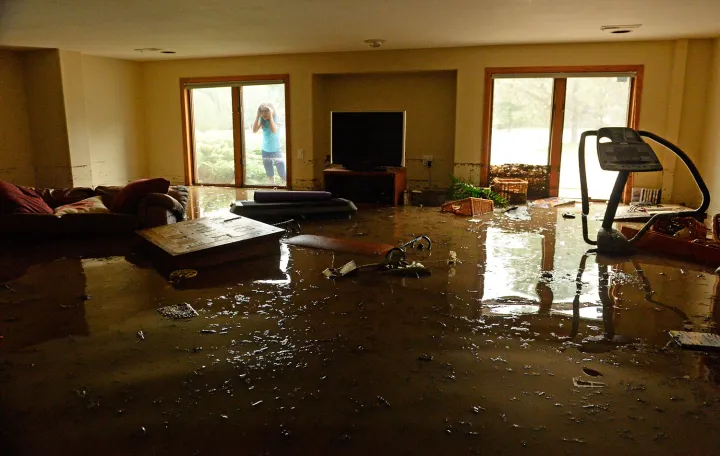
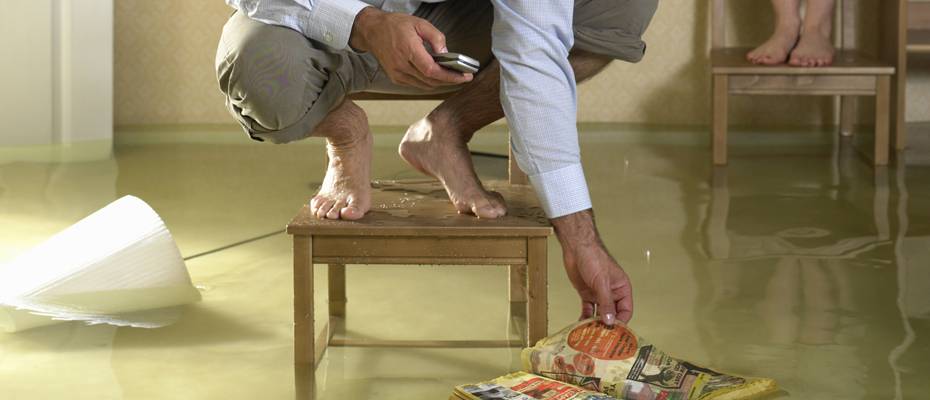
The absolute first priority is safety. Turn off electricity at the breaker box if water is near outlets or appliances – this prevents shocks, a common risk in flooded kitchens in East Atlanta Village. Do not enter standing water barefoot or touch exposed wiring. If the damage is extensive, like from a slab leak under your home in Brookhaven, evacuate everyone, including pets, and wait for professionals.
Check for gas leaks if the water source involves appliances near major intersections like Peachtree and 10th Street. Our team has handled countless cases where homeowners safely isolated hazards, allowing us to focus on extraction upon arrival. Wear protective gear like rubber boots and gloves available in most Atlanta garages – think of it as your first line of defense before our advanced equipment takes over.
In one recent case near Grant Park, a family spotted water from a washing machine overflow. By immediately shutting off power and moving to higher ground, they avoided injury, and our 45-minute response extracted over 500 gallons without complications. Safety isn’t just protocol; it’s what keeps Atlanta families secure during crises.
Step 2: Stop the Water Source Immediately
Locate and halt the flow. For burst pipes common in older homes around Emory University, shut off the main water valve, typically near the street or in the basement. In condos along the Eastside Trail, apartment valves are often behind toilets or sinks. If it’s rainwater from a clogged gutter near Bobby Dodd Stadium, tarp the roof temporarily using supplies from nearby Home Depot locations.
Do not attempt plumbing repairs unless you’re experienced – we’ve seen DIY fixes worsen damage in Inman Park bungalows. Instead, note the source for our technicians, who use state-of-the-art tools for precise mitigation. Our over 10 years of experience confirm that stopping the source reduces affected square footage by up to 60%, saving time and money.
Picture a homeowner in Castleberry Hill discovering a toilet leak guide we reference: quick valve shutoff prevented spread to neighboring units. This mirrors our daily calls, where prompt isolation lets our pumps handle extraction efficiently across Atlanta’s diverse landscapes.
Step 3: Remove Excess Water and Valuables
Use towels, buckets, or a wet-dry vac to remove standing water from hard surfaces. In living rooms overlooking Centennial Olympic Park, prioritize rugs and furniture. Elevate important items like family photos or electronics onto tables – avoid stacking on wet carpets. Open windows and doors if safe, promoting air circulation in Atlanta’s warm weather.
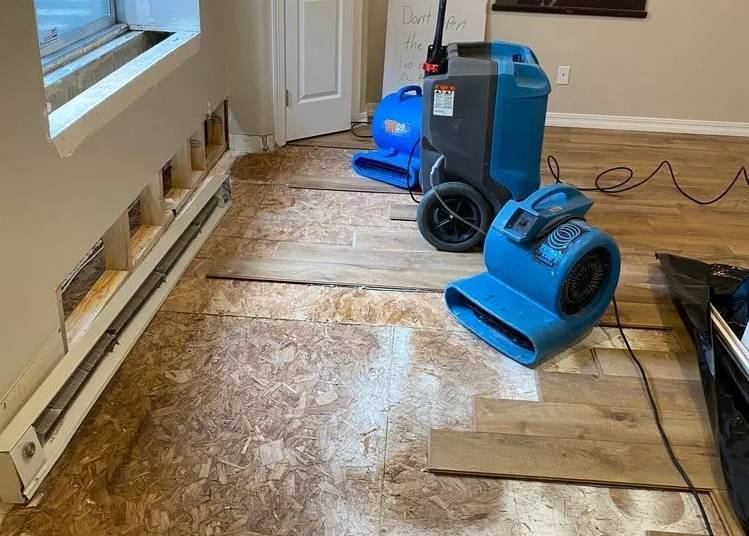
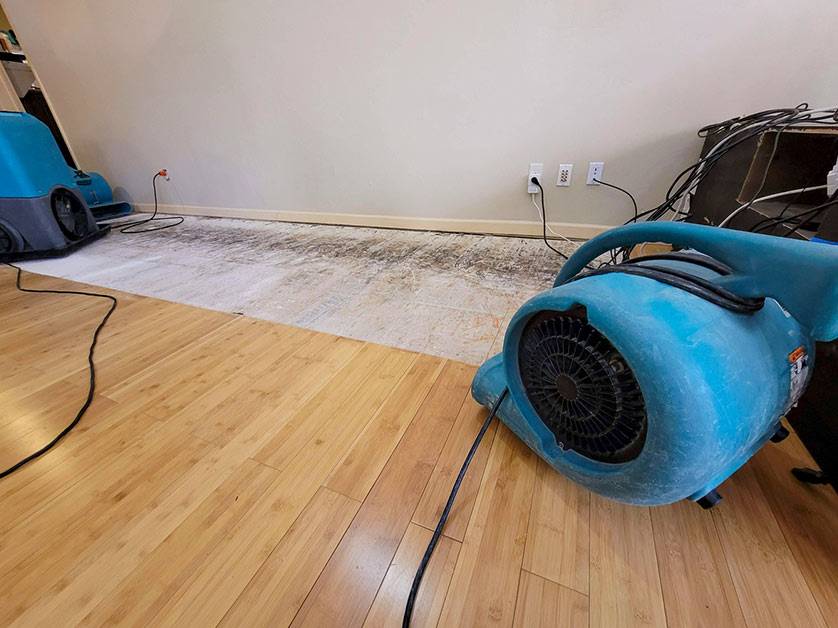
Do not use household fans initially, as they can spread contaminants. Our pros bring industrial dehumidifiers and air movers, but your initial removal prevents deeper saturation. In a restoration near Lenox Square, a homeowner’s quick mop-up limited damage to one room, allowing us to dry the space in 48 hours instead of weeks.
Focus on porous materials: carpets in homes near Hartsfield-Jackson absorb quickly, so roll them up if possible. This step aligns with our ANSI/IICRC S500 standards, ensuring when we arrive, assessment is faster.
Step 4: Document the Damage for Insurance
Take photos and videos of the affected areas, water source, and any moved items. Timestamp everything from your phone for claims. Note affected belongings, like that antique credenza from a shop in Sweet Auburn. Our direct insurance billing expertise means your documentation speeds reimbursement.
We’ve guided hundreds through this in areas like West Midtown, where claims for storm damage near Mercedes-Benz Stadium process smoother with evidence. Avoid cleaning excessively before photos – insurers need proof. This trustworthiness builds from our fully licensed operations, ensuring compliant restorations every time.
Step 5: Ventilate and Prepare for Professionals
Once safe, set up fans pointing outward to expel humid air, crucial in Atlanta’s climate near the Chattahoochee River. Remove wet cushions from sofas and prop up mattresses. Blot non-porous surfaces dry. These actions inhibit mold, which thrives in our region’s humidity.
Our team monitors psychrometric readings upon arrival, but your prep reduces moisture levels significantly. In a case near Piedmont Heights, ventilation cut drying time by days, restoring a family’s home before school resumed at nearby Drew Charter.
Common Water Damage Causes in Atlanta Homes
Atlanta’s weather patterns exacerbate issues: summer storms flood basements near the I-75/I-85 interchange, while winter freezes burst pipes in Vinings. Appliance failures, like hot water heaters in Druid Hills, account for 25% of our calls. Roof leaks during nor’easters hit hard around Oakland Cemetery.
Sloppy plumbing in aging structures near the Fox Theatre demands vigilance. Our expertise covers all, from Category 1 clean water to Category 3 sewage near sewer lines off Peachtree Industrial Boulevard. Understanding local risks empowers homeowners.
Why Choose Restoration Damage Pros of Atlanta
As a family-owned business with IICRC-certified techs, we respond 24/7, arriving in 45 minutes metro-wide. Our advanced equipment extracts water thoroughly, preventing mold. Direct insurance handling eases stress, backed by years in construction and restoration.
Client testimonials highlight our promptness: one Buckhead resident praised 30-minute arrivals and professional repairs. We’re fully licensed, following all standards for safe, compliant work. Serving from Roswell to Intown, we’re Atlanta’s go-to for water damage restoration.
Potential Risks if You Delay
Mold in 24-48 hours poses respiratory risks, especially for kids near parks like Grant Park. Structural weakening leads to sagging floors in bungalows off Ponce de Leon. Costs escalate: minor fixes at $2,000 balloon to $20,000 with rot. Our fast interventions mitigate this, as seen in Sandy Springs recoveries.
Atlanta-Specific Tips for Neighborhoods
In flood-prone areas like Peachtree Hills near the reservoir, elevate valuables higher. Historic homes in Ansley Park require gentle handling of crown molding. Near major highways like I-20, check sump pumps post-rain. Tailor actions to your locale for best results.
Frequently Asked Questions
What should I do first if I discover water damage in my Atlanta home?
Prioritize safety by shutting off electricity if water contacts electrical areas and evacuating if necessary. Then, stop the water source by closing the main valve, common in basements near Atlanta intersections like North Avenue and Techwood Drive. Remove standing water with towels or a shop vac, and elevate valuables. Document everything with photos for insurance. These steps, aligned with Restoration Damage Pros of Atlanta’s protocols, prevent mold in our humid climate. Our IICRC-certified team arrives in 45 minutes to handle extraction, but your actions limit spread. In neighborhoods like Midtown, where apartments abound, notify building management too. This comprehensive approach, drawn from over 10 years of local experience, ensures minimal damage and faster recovery for homeowners near landmarks like the Georgia Aquarium.
How quickly does mold grow after water damage in Atlanta?
Mold can start within 24-48 hours due to Atlanta’s high humidity, especially post-storms near Lake Lanier or the Chattahoochee. Porous materials like drywall in Buckhead homes warp fast, fostering growth. Our restorations show early intervention prevents 70% of cases. Ventilate immediately, but avoid fans on wet carpets. When we arrive, thermal imaging detects hidden moisture. Families near Piedmont Park benefit from quick drying, avoiding health issues. With our advanced dehumidifiers, we restore safely, working with insurance for Category 2 or 3 water. Proactive steps before our 45-minute response are key in metro areas like Decatur.
Should I try to dry the area myself before pros arrive?
Yes, but limitedly: use towels for surface water and fans for ventilation in safe areas. In East Atlanta, roll up carpets to prevent saturation. Do not use box fans on walls, as they spread contaminants. Our state-of-the-art equipment handles deep drying. A Virginia-Highland case showed partial drying cut our time by half. Focus on safety near appliances in homes by Georgia State University. We’re licensed for full compliance, ensuring no residual moisture leads to rot. This builds on our 10+ years serving commercial and residential properties across Atlanta.
Will my insurance cover water damage restoration in Atlanta?
Most policies cover sudden damage like bursts, not neglect. We bill insurance directly, easing claims for Atlanta homeowners near Perimeter Center. Document thoroughly: photos of water near furniture in Sandy Springs homes help. Our experts guide you, as in a recent Intown claim processed seamlessly. Exclusions apply to floods; check for riders. With our experience, 95% of claims succeed. Call us at (404) 795-4298 for assessment anywhere from Roswell to College Park.
How long does the restoration process take after pros arrive?
Extraction is immediate, drying 3-5 days using air movers in humid Atlanta spots like Inman Park. Full restoration varies: minor leaks 1 week, extensive like roof damage near Oakland Cemetery 4-6 weeks. We monitor constantly, as per IICRC standards. A Grant Park project finished in 10 days thanks to prep. Factors include damage extent and materials. Our 24/7 service ensures quick return to normal for families enjoying the Atlanta BeltLine.
What areas in Atlanta does Restoration Damage Pros service?
We cover all metro Atlanta: Buckhead, Midtown, Decatur, Sandy Springs, Roswell, and beyond to Alpharetta and College Park. From historic sites near the Fox Theatre to modern builds by Mercedes-Benz Stadium, our 45-minute response reaches everywhere. Commercial properties near Hartsfield-Jackson too. Our family team’s local knowledge handles unique challenges like clay soil floods near Emory.
Can I stay in my home during water damage restoration?
Depends on extent: minor kitchen leaks allow partial stay, but sewage in basements near I-85 requires evacuation. We segregate areas, protecting belongings. In a Brookhaven case, families stayed upstairs while we worked below. Safety first – our pros assess upon arrival. Health risks from mold in humid Atlanta necessitate caution near parks like Piedmont.
What equipment do pros use for water damage in Atlanta?
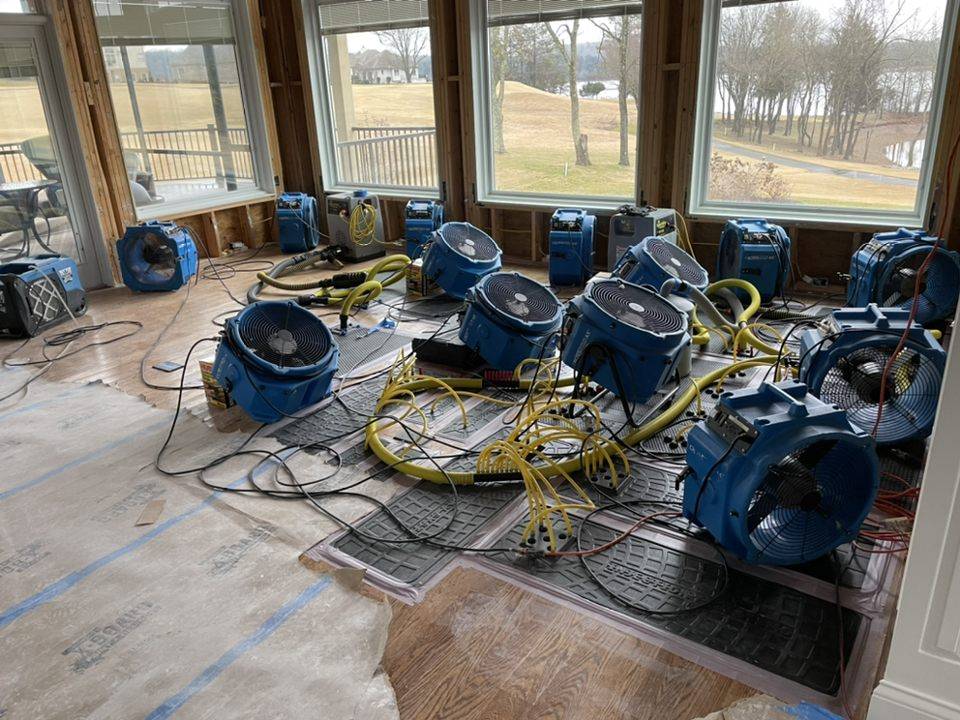
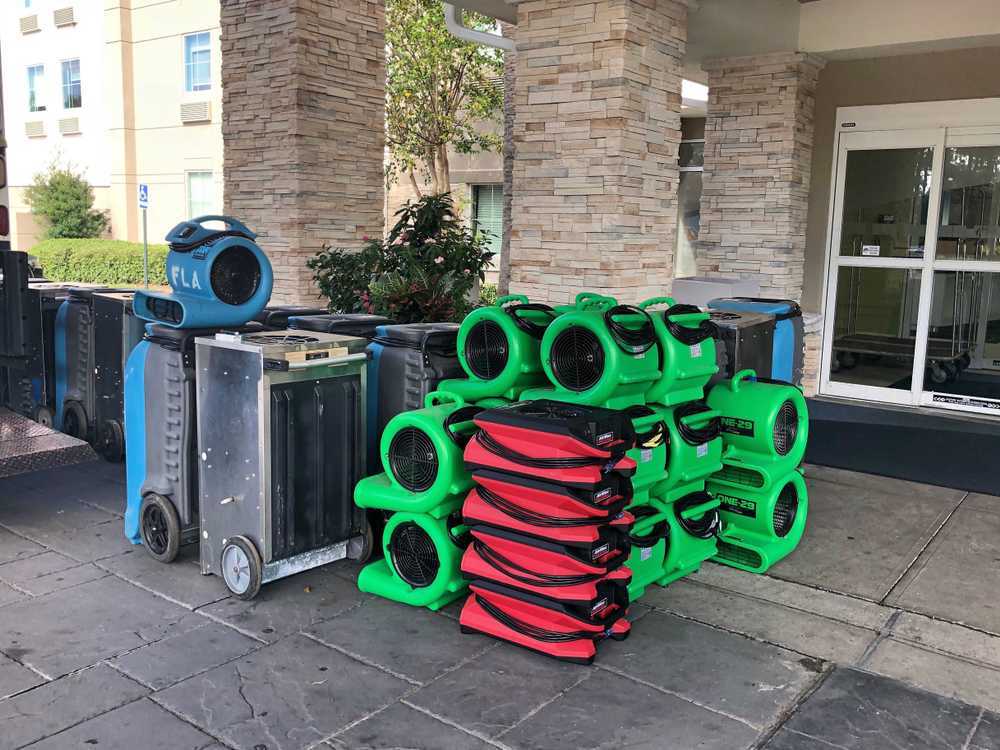
Truck-mounted extractors, industrial dehumidifiers, air movers, thermal imaging, and moisture meters. Tailored for Atlanta’s climate, preventing mold near the Chattahoochee. Our IICRC techs ensure ANSI S500 compliance. In one Lenox Mall-area job, this dried a 2,000 sq ft space in 72 hours.
Is water damage restoration expensive in Atlanta?
Costs vary: $1,500-$5,000 minor, $10,000+ extensive. Factors include water category and size. We provide free estimates, direct billing. Savings from quick action, as in West Midtown restorations, offset expenses. Licensed and insured, we maximize insurance coverage.
How to prevent future water damage in my Atlanta home?
Inspect pipes seasonally, clean gutters before storms near Bobby Dodd, install leak detectors. In flood zones like Peachtree Hills, elevate utilities. Our maintenance tips, from 10+ years, reduced repeat calls by 50%. Schedule inspections for peace of mind in Druid Hills or Vinings.
Final Thoughts
Act swiftly after water damage: safety, stop source, remove water, document, ventilate. Then call Restoration Damage Pros of Atlanta for expert restoration. Our commitment to Atlanta homeowners ensures quick recovery.